
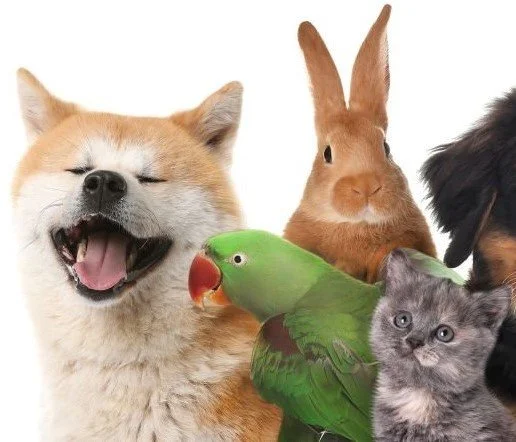
Why your furry, feathered, or scaly companion might be worth every penny
We live in a world obsessed with ROI — return on investment. We track it in our portfolios, our gym memberships, our therapy sessions. But there's one investment that rarely makes the financial spreadsheet, even though its returns are extraordinary: your pet.
Yes, owning a pet costs money. Food, vet bills, grooming, toys, boarding — it adds up. But when you zoom out and look at what a pet gives back, the math starts to look surprisingly good. Here's why spending on your pet may be one of the smartest mental health decisions you ever make.
1. They're Natural Stress Relievers
After a brutal day at work, there's something almost magical about coming home to a wagging tail or a cat that curls up on your lap. This isn't just a warm feeling — it's biochemistry.
Interacting with pets has been shown to lower cortisol (the stress hormone) and boost oxytocin, the same bonding hormone released when humans hug. This means that every dollar you spend on a pet is, in part, funding a living, breathing stress-management system that's available 24/7 — no appointment needed.
2. They Fight Loneliness and Depression
Loneliness has become one of the defining health crises of our time. Pets are a powerful antidote. They offer unconditional companionship — they don't judge you, ghost you, or cancel plans. They're simply there.
For people living alone, going through a breakup, dealing with grief, or struggling with depression, a pet can provide a consistent emotional anchor. Studies have found that pet owners report lower rates of depression and higher feelings of social belonging. That kind of emotional support is genuinely priceless — but it does come with a food bill.
3. They Give You a Reason to Get Up (and Get Out)
One of the underrated mental health benefits of pet ownership is routine. Pets need to be fed, walked, cleaned up after, and cared for on a schedule. When depression or anxiety tempts you to stay in bed all day, your dog doesn't care — it's 7 AM and it needs a walk.
That gentle forced structure can be life-changing. Dog owners, in particular, tend to get significantly more daily physical activity than non-owners. Exercise is one of the most evidence-backed treatments for anxiety and depression, and your dog is essentially your most enthusiastic personal trainer. One who accepts kibble as payment.
4. They Create Social Connection
Pets — especially dogs — are social bridges. The dog park, the neighborhood walk, the "can I pet your dog?" strangers at the café — pets open doors to human connection that might otherwise stay closed. For people who struggle with social anxiety, a pet can serve as a low-pressure icebreaker that makes meeting people feel natural rather than forced.
This ripple effect means your investment in your pet extends beyond your own mental health. It can quietly improve your social life too.
5. They Provide Purpose and a Sense of Being Needed
There is profound mental health value in feeling needed. Pets depend on you, and that dependency — far from being a burden — can be deeply grounding. For people going through transitions like retirement, empty-nest syndrome, or job loss, a pet can restore a sense of daily purpose and identity.
Caring for another living being reminds us that our presence matters. That's not a small thing. That might be everything.
6. Therapy Animals Are Literally Prescribed
The medical establishment has begun to recognize what pet owners have always known. Animal-assisted therapy is now used in hospitals, rehabilitation centers, schools, and veteran programs to address PTSD, anxiety, autism, and more. Emotional support animals are formally recognized as part of mental health treatment plans.
When the healthcare system starts writing prescriptions for pet interaction, that's a signal. The science is catching up to the lived experience of millions of pet owners.
A Note on Responsible Pet Investment
None of this is to say you should stretch your budget irresponsibly. The best mental health outcome for both you and your pet comes from being financially prepared for the commitment. Consider:
Pet insurance to offset unexpected vet costs
Budgeting monthly for food, grooming, and routine care
Enrichment spending — toys, walks, playtime — which benefits both your pet's wellbeing and your own
Spending thoughtfully on your pet isn't spoiling them. It's maintaining the very investment that's maintaining you.
A Note on Financial Readiness
Before taking the leap, it's worth being honest with yourself: if you're currently struggling to meet your own basic needs — groceries, rent, medical care — adding a pet to the equation can create more stress than it relieves. A pet who doesn't receive adequate food, veterinary care, or a stable home environment suffers too. True pet ownership isn't just an emotional commitment; it's a financial one. The compassionate choice, for both you and the animal, is to wait until you're on steadier ground before bringing one home.
Think About the Long Game
Pets can live longer than many people expect — dogs commonly reach 10–15 years, cats often 15–20, and some parrots and tortoises can outlive their owners entirely. If you're elderly, seriously ill, or anticipate major life changes, it's worth thinking carefully about what happens to your pet if you're no longer able to care for them. This isn't a reason to avoid pet ownership, but it is a reason to plan ahead — designating a trusted person who agrees to take your pet in, or including provisions in your will. A pet deserves a plan, not just a home.
The Bottom Line
We spend money on gym memberships, meditation apps, supplements, and self-help books in the pursuit of mental wellness. All of those things have their place. But a pet offers something none of them can: a living relationship built on unconditional love.
The return on that investment — in reduced stress, lifted moods, daily structure, and genuine companionship — is hard to quantify. But anyone who has ever been greeted at the door by an excited dog, or felt a purring cat settle into their lap at the end of a hard day, knows exactly what it's worth.
So the next time you splurge on the good pet food or book that extra grooming session, don't feel guilty. You're not just caring for your pet.
You're investing in yourself!