
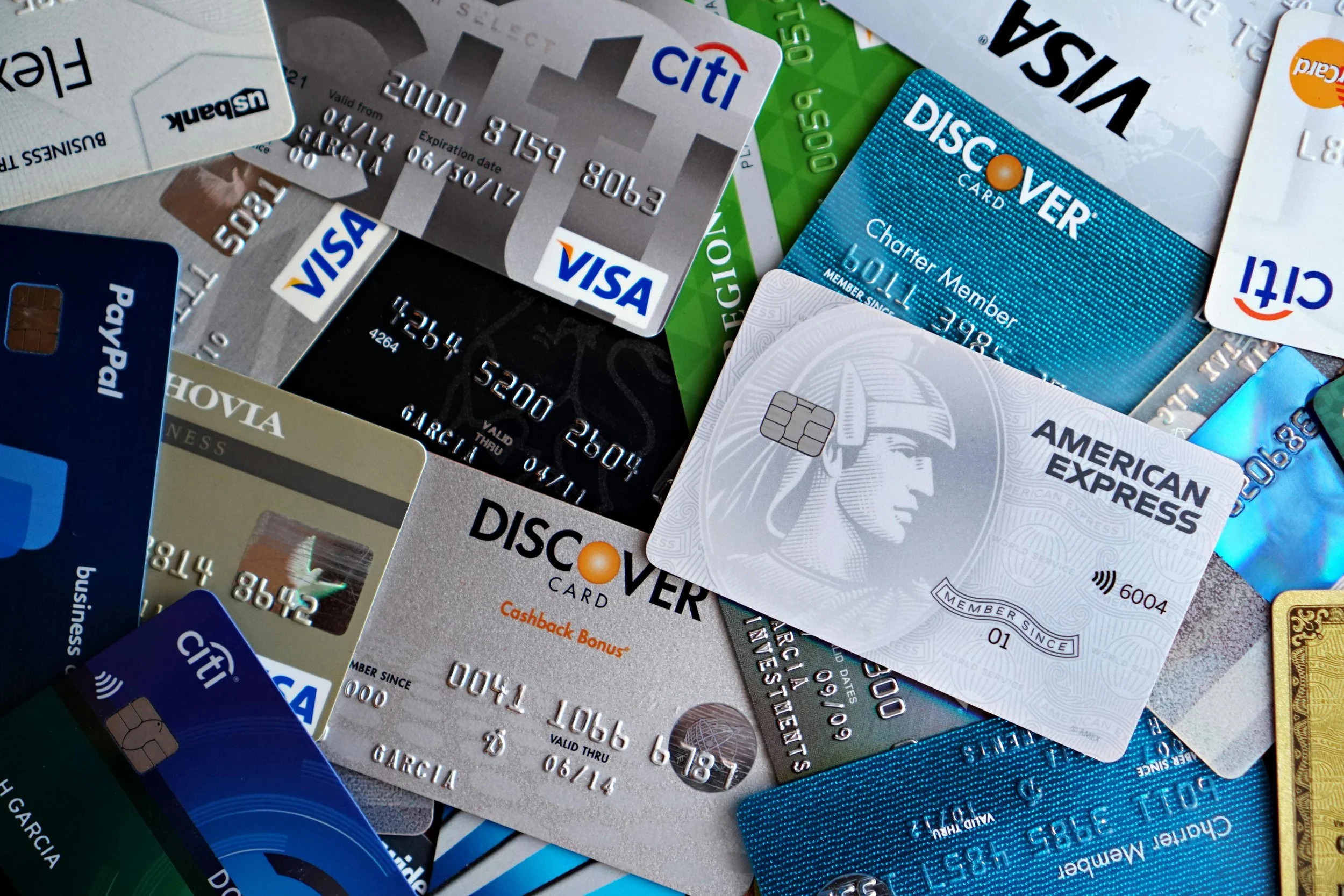
Credit cards that offer points, cash back, and travel benefits can be valuable tools for getting more out of your everyday spending. But to truly benefit from rewards cards, you need to use them strategically. Here's how to make the most of your credit card rewards without falling into common traps.
The Golden Rule: Pay Off Your Balance in Full
This is the foundation of any successful rewards strategy. Interest charges will quickly erase any rewards you earn—and then some. If you're currently carrying a balance, focus on paying that down before worrying about maximizing rewards. The math is simple: earning 2% cash back while paying 20% interest is a losing proposition.
Spend Smart, Not More
Use your rewards card for purchases you'd make anyway. The goal is to get rewarded for your normal spending habits, not to justify unnecessary purchases. It's easy to rationalize buying something because "I'll earn points," but if you wouldn't have bought it otherwise, you're losing money, not gaining rewards.
Master Your Card's Bonus Categories
Many cards offer higher rewards on specific types of spending like dining, groceries, gas, or travel. The difference can be significant—some cards offer 3-5% back in bonus categories versus 1% on everything else. Using the right card for each purchase type can substantially increase your earnings.
Some people keep a simple spreadsheet or note on their phone to track which card is best for what. It might seem tedious, but once you have your system down, it becomes second nature.
Sign-Up Bonuses: High Reward, But Use Caution
Sign-up bonuses often provide the best value in the rewards game. A card might offer 50,000 points after spending $3,000 in the first three months, for example. But make sure you can meet the minimum spending requirement naturally within the timeframe. Never overspend or make purchases you don't need just to hit a bonus threshold.
Travel Benefits Can Offset Annual Fees
Premium travel cards often come with annual fees ranging from $95 to $550 or more. Before dismissing these cards, calculate whether you'll actually use the perks they offer. Free checked bags, airport lounge access, travel credits, and rental car insurance can add up to more than the annual fee if you travel regularly.
If you fly a few times a year with a companion, free checked bags alone might save you $120-$240 annually, making a $95 annual fee worthwhile.
Don't Overlook Wholesale Club Cards
Cards affiliated with wholesale clubs like Costco or Sam's Club often offer exceptional cash back rates, particularly on gas purchases (often 4%) and wholesale club spending. The annual cash back can easily offset your membership fee, making both the membership and the card worthwhile.
One thing to keep in mind: Costco only accepts Visa cards in-store, and some wholesale clubs have specific card requirements, so check before you apply.
Redeem Your Points Strategically
Not all redemptions are created equal. Point values can vary wildly depending on how you use them. Generally speaking, transferring points to airline or hotel partners, or booking travel through your card's travel portal, offers better value than redeeming for cash back or gift cards.
Before you accumulate a large stash of points with any program, research your redemption options. Some programs offer much better value than others, and knowing this upfront helps you choose the right card for your goals.
Stay on Top of Your Spending
Rewards cards can make it easier to lose track of your expenses since you're not physically handing over cash. This psychological distance can lead to overspending if you're not careful. Regular budget reviews help ensure you're staying on track and that the rewards aren't masking creeping lifestyle inflation.
Evaluate Annual Fees Regularly
If you have a card with an annual fee, make sure you're using enough benefits to justify the cost. At renewal time, ask yourself: "Did I get more value from this card's benefits than I paid in fees?" If not, consider downgrading to a no-fee version of the card. Many issuers will let you switch to a different card without closing your account, preserving your credit history.
The Bottom Line
The sweet spot for credit card rewards is treating your credit card exactly like a debit card in terms of spending discipline while capturing rewards on purchases you need to make anyway. Done right, rewards cards can save you hundreds or even thousands of dollars per year on travel and everyday expenses. Done wrong, they can encourage overspending and debt accumulation that far outweighs any benefits.
Stay disciplined, use the right cards for the right purchases, and let the rewards enhance your financial life rather than drive your spending decisions.