




Green Beans, Ham, and Potatoes
A perfect, warming dish for the transition from Fall to Winter!

A gentle, practical guide to financial planning for widows, from the first steps that truly matter to the decisions that can wait. For younger widows in NKY & Cincinnati.
If retirement is on the horizon, open enrollment might be your last chance to elect certain benefits that can go with you when you retire. Here’s what to know before you sign up.
Just inherited money and not sure what to do? A calm, plain-language checklist for what to do with inheritance money in your first 90 days, from securing documents to building a plan.
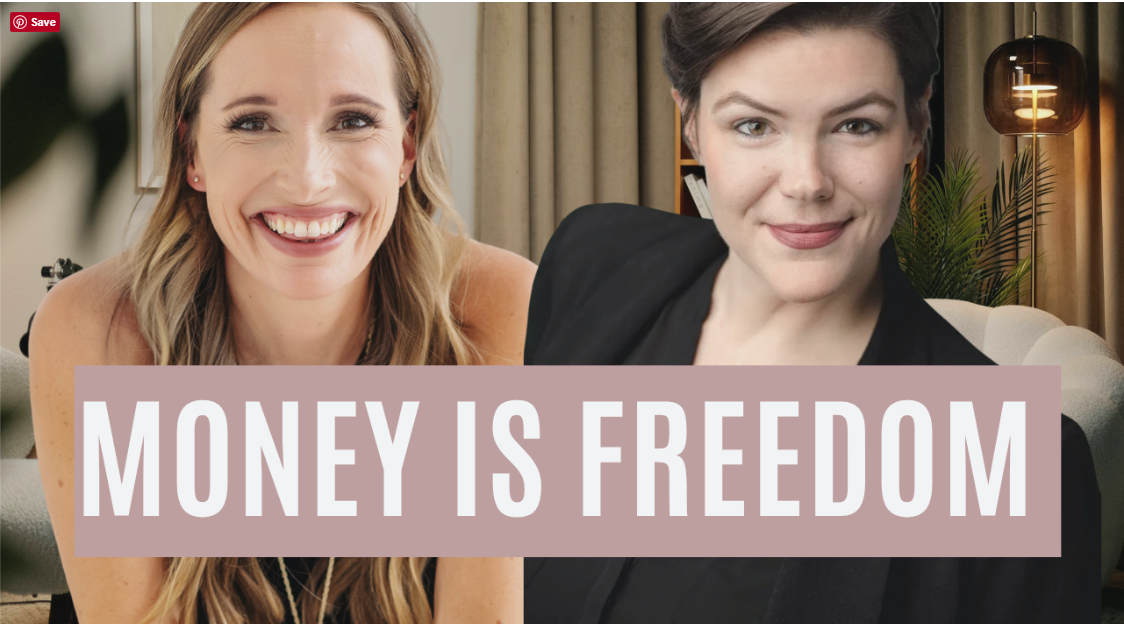
Our own Sarah Grace Mohr, CEO of MACKEY” talks openly about her own relationship with money on the podcast “Write Your Own Story” with Betsy Leonidas.
Most people leave money and value on the table simply because they never take a close look at their full benefits package. Open enrollment lasts a few days, the paperwork is dense, and it's easy to just carry over last year's choices. But a little attention here can be worth thousands of dollars a year.
You’ve set up your initial Prosperity Plan and are trying it on for size. But there’s one piece of a financial plan in particular that tends to get put on the back burner: the estate plan.
A couple months ago, an incredibly engaging episode of NPR’s Hidden Brain podcast featuring Brad Klontz, a financial psychologist. On the episode, he mentions money worries as a major source of anxiety for Americans. He says that while external economic forces often shape our financial well-being, our unconscious beliefs about money also contribute to how well we manage our money.


